SSO vs. Identity Federation: Optimizing Authentication for Modern Enterprises
In today's interconnected digital ecosystem, businesses are constantly seeking efficient and secure solutions to manage user authentication across multiple applications and domains. Identity federation and single sign-on (SSO) stand out as two prominent approaches, each offering distinct advantages and use cases. Let's explore the differences between identity federation and SSO, their benefits, and how they address the evolving needs of enterprises.
Single Sign-On (SSO): Simplifying Access, Enhancing Security
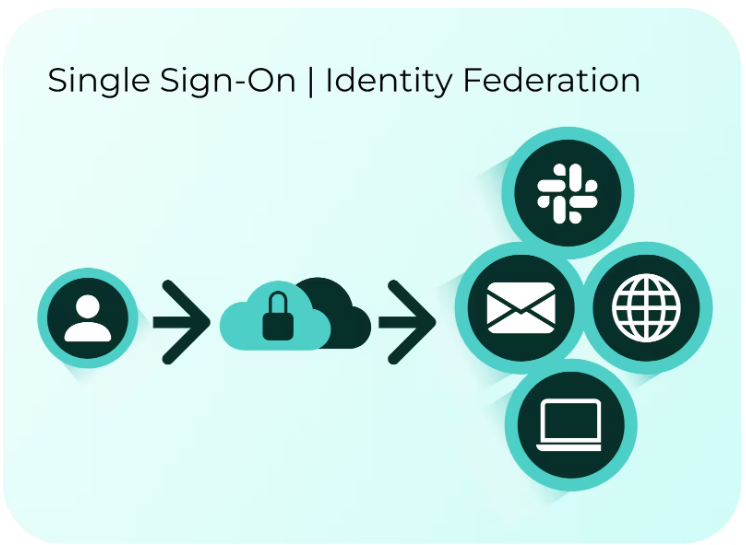
Single sign-on (SSO) revolutionizes the user authentication experience by enabling users to access multiple applications with a single set of credentials. Whether it's employees navigating various internal tools or customers interacting with diverse services, SSO streamlines login processes, enhances productivity, and bolsters security. Key features of SSO include:
- Seamless Access: Users enjoy a frictionless login experience, eliminating the need to remember and enter multiple passwords for different applications.
- Enhanced Security: By reducing the number of credentials users manage, SSO mitigates the risk of password-related vulnerabilities and unauthorized access.
- Improved User Experience: SSO fosters a seamless and intuitive login process, boosting user satisfaction and productivity.
- Cost Savings: Organizations benefit from reduced IT support costs associated with password management and help desk inquiries.
Identity Federation (FIM): Extending Access Across Boundaries
Identity federation expands upon the capabilities of SSO by facilitating seamless authentication across organizational boundaries and disparate domains. By establishing trusted relationships between entities, identity federation enables users to authenticate once and access resources across multiple organizations or service providers. Key features of identity federation include:
- Cross-Domain Authentication: Users can seamlessly access resources across different organizational boundaries without the need for separate authentication processes.
- Interoperability: Identity federation leverages standard protocols like SAML, OAuth, and OpenID Connect to ensure interoperability and secure identity exchange between domains.
- Enhanced Collaboration: By enabling seamless access to external applications and resources, Identity Federation fosters collaboration, partnerships, and innovation across organizations.
- Scalability and Flexibility: Identity federation accommodates the dynamic needs of modern enterprises, supporting remote work, cloud-based services, and distributed teams.
Identity Providers (IdPs): The Backbone of Identity Federation
Central to identity federation is the concept of identity providers (IdPs). IdPs serve as the authoritative source for user authentication and identity verification. They establish trusted relationships with service providers (SPs) to enable seamless authentication and access to resources across different domains. IdPs play a crucial role in ensuring the security, interoperability, and scalability of identity federation solutions.
Choosing the Right Solution
When selecting between identity federation and single sign-on, enterprises should consider their specific requirements, security posture, and scalability needs. While SSO excels in simplifying access within organizational boundaries, identity federation extends authentication capabilities across domains, supporting collaboration and partnership initiatives. By implementing a comprehensive authentication strategy that leverages both SSO and identity federation, enterprises can optimize security, productivity, and user experience in today's digital landscape.
Conclusion
In the realm of user authentication, identity federation and single sign-on represent two powerful approaches for simplifying access, enhancing security, and fostering collaboration. By understanding the nuances of each solution and aligning them with organizational goals, enterprises can navigate the complexities of modern authentication challenges and unlock new opportunities for innovation and growth. Whether it's streamlining internal workflows or facilitating external partnerships, identity federation and single sign-on are indispensable tools in the arsenal of today's digital enterprises.
Reach out and start a conversation.