As the world becomes increasingly interconnected, businesses are no longer
serving customers in a single geographic region. This shift towards a global
marketplace brings with it new challenges when it comes to identity and access
management (IAM).
At Ory, we recognized that our customers needed a solution
that could meet where our customers' users are: everywhere in the world.
These users expect the service to be fast, reliable, and compliant with local
laws.
In this blog post, you will learn why Ory built a globally distributed system
for identity and access management. This blog post is for you if you want to
learn what multi-region means and why it is important.
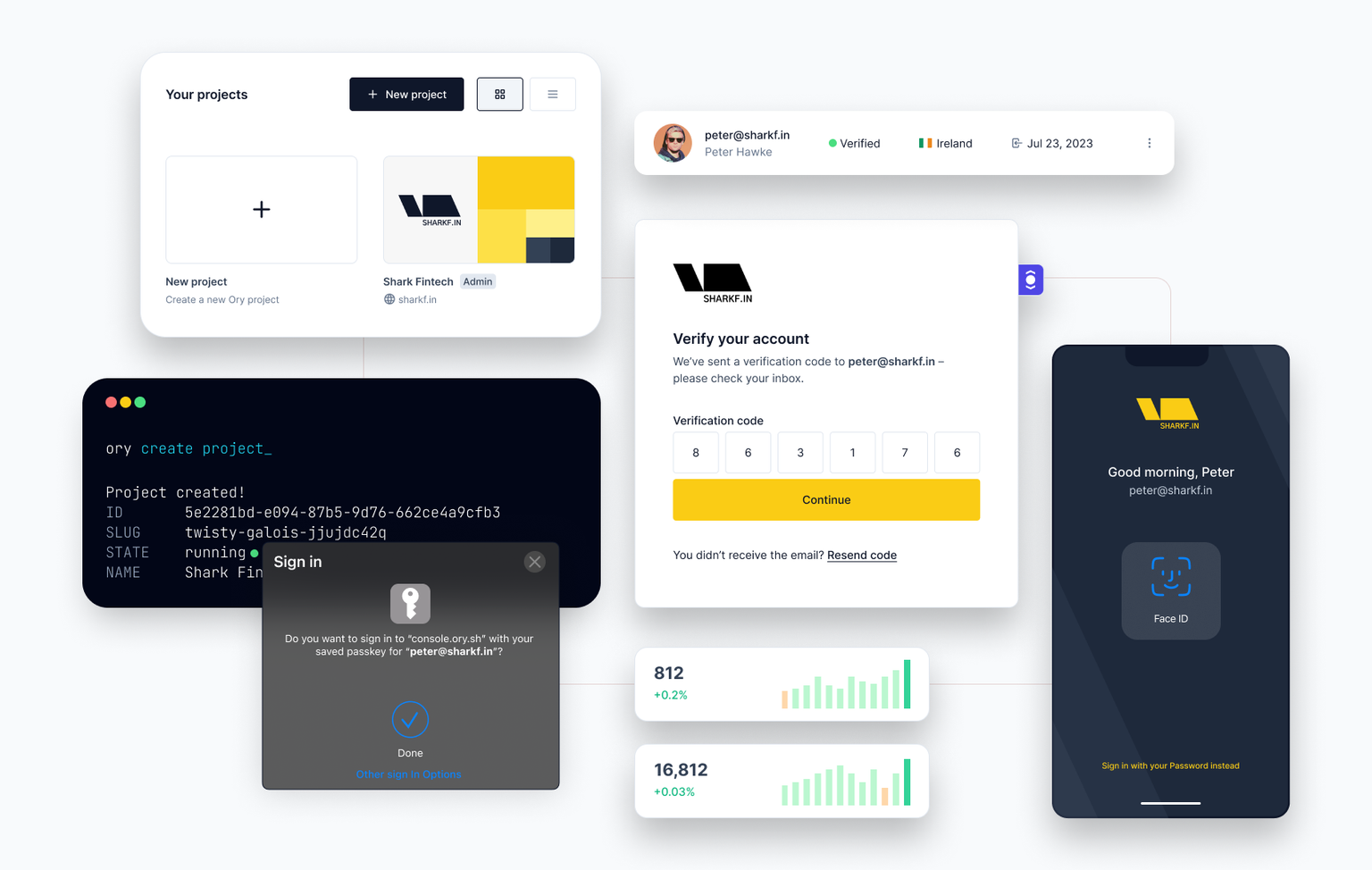
Ory runs a global
identity and access (IAM)
platform (Ory Network), based on
open source, that companies use to solve login,
registration, permissions, user management, and advanced topics like OAuth2 and
OpenID Connect. Ory Network is the only multi-region IAM in the world.
:::info
Companies using Ory Network reduce risk, lower their TCO, reduce
time-to-market, and win over users with ultra-fast websites and apps.
Every day, Ory is handling around 3 billion API requests in more than 11.000
production environments worldwide.
:::
Why multi-region
We will explore the fundamental benefits of a multi-region architecture
throughout the article. The most compelling reasons to build a multi-region
architecture is that modern software applications need to be fast everywhere in
the world, always on and reliable like google.com, and compliant with laws and
regulations like GDPR. Multi-region architectures help solve these issues
efficiently and effectively. At the same time, multi-region architectures are
not easy to build, and this article explores how Ory achieved this milestone for
its IAM product: Ory Network.
Single- and multi-regions
In this section, we will explore the fundamental differences between single
region and multi-region architecture, two contrasting approaches in designing
and deploying cloud-based systems.
Availability zones are not regions
Cloud platform regions and availability zones are two distinct concepts that
people often confuse. Regions refer to geographic locations where cloud
providers have their data centers, and each region operates independently. Data
stored in one region is not automatically replicated in others, meaning that an
outage in a region only affects applications and data within that specific
region. Availability zones, on the other hand, are isolated areas within a
region, each with its own data center. Deploying across multiple availability
zones enhances redundancy and availability, allowing applications and data to
fail over to another zone in case of an outage. However, some cloud providers
may have separate availability zones located in the same physical data center,
which can pose risks during catastrophic events. For example, the failure of all
three availability zones in Google Cloud Platform's europe-west9 region was
caused by a fire
in the data center where all three zones were located, despite each zone having
independent resources.
Single region architecture
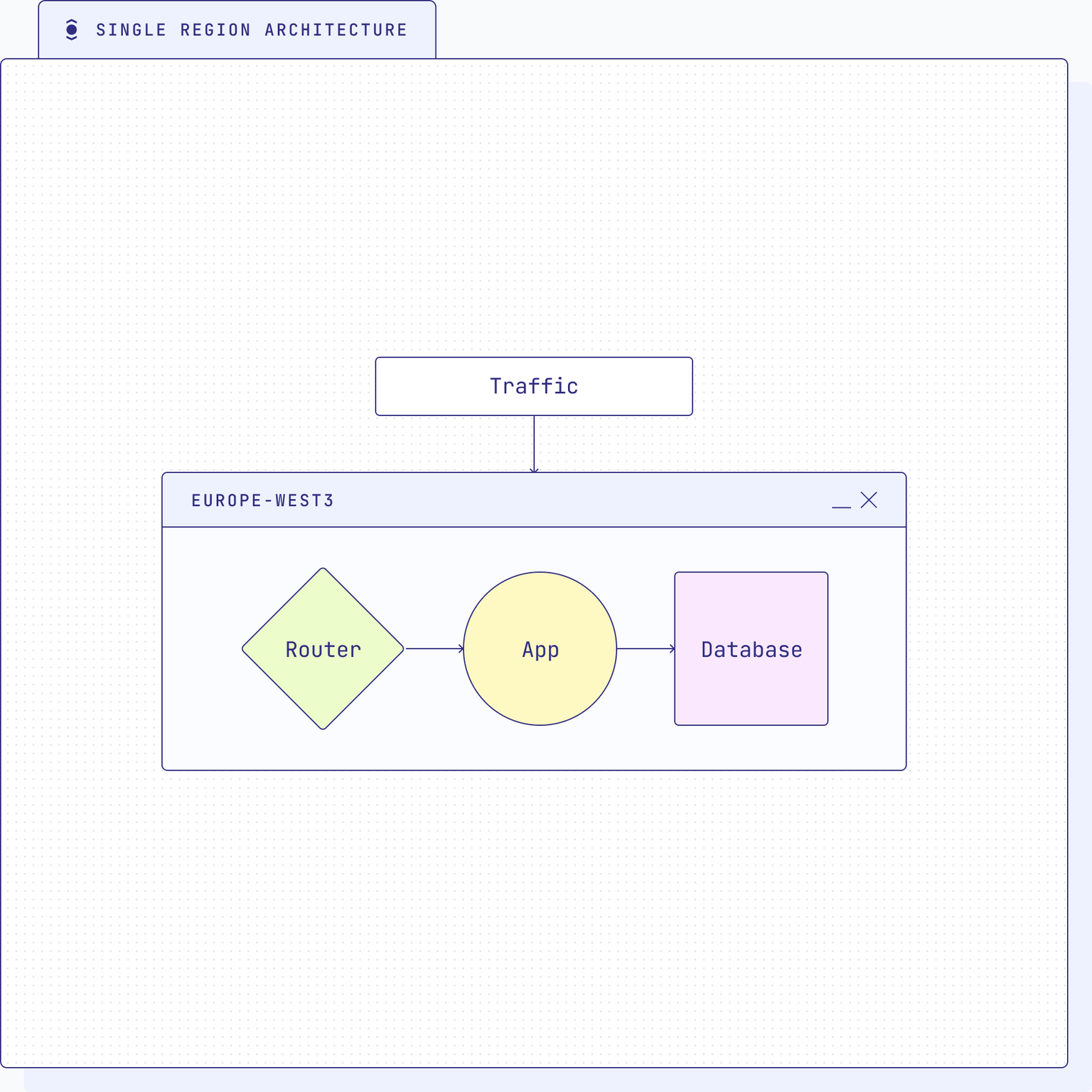
Single region architecture can be problematic for several reasons, primarily
because it lacks the necessary redundancy and fault tolerance to handle various
types of failures.
- Increased risk of downtime: In a single region architecture, if the
entire region experiences an outage due to natural disasters, infrastructure
failures, or other unforeseen events, the application and services hosted in
that region will become inaccessible. This can lead to prolonged downtime and
significant disruption to business operations.
- Data loss and corruption: Without data replication across regions, a
catastrophic failure in the single region could result in data loss or
corruption. If backups and recovery processes are not robust, recovering lost
data may be difficult or impossible.
- Limited disaster recovery: In a single region setup, disaster recovery
options are constrained. If the primary region faces a disaster, the lack of
geographically distributed resources makes it challenging to switch to an
alternative location and recover quickly.
- Performance bottlenecks: Having a single region could lead to performance
bottlenecks, especially if the user base is spread across different
geographical locations. Users farther away from the data center may
experience increased latency and slower response times.
- Vulnerability to network failures: A single region is more susceptible to
network connectivity issues. If there is a network outage that affects the
region, all services hosted within that region could be impacted.
Single region architecture in multiple regions
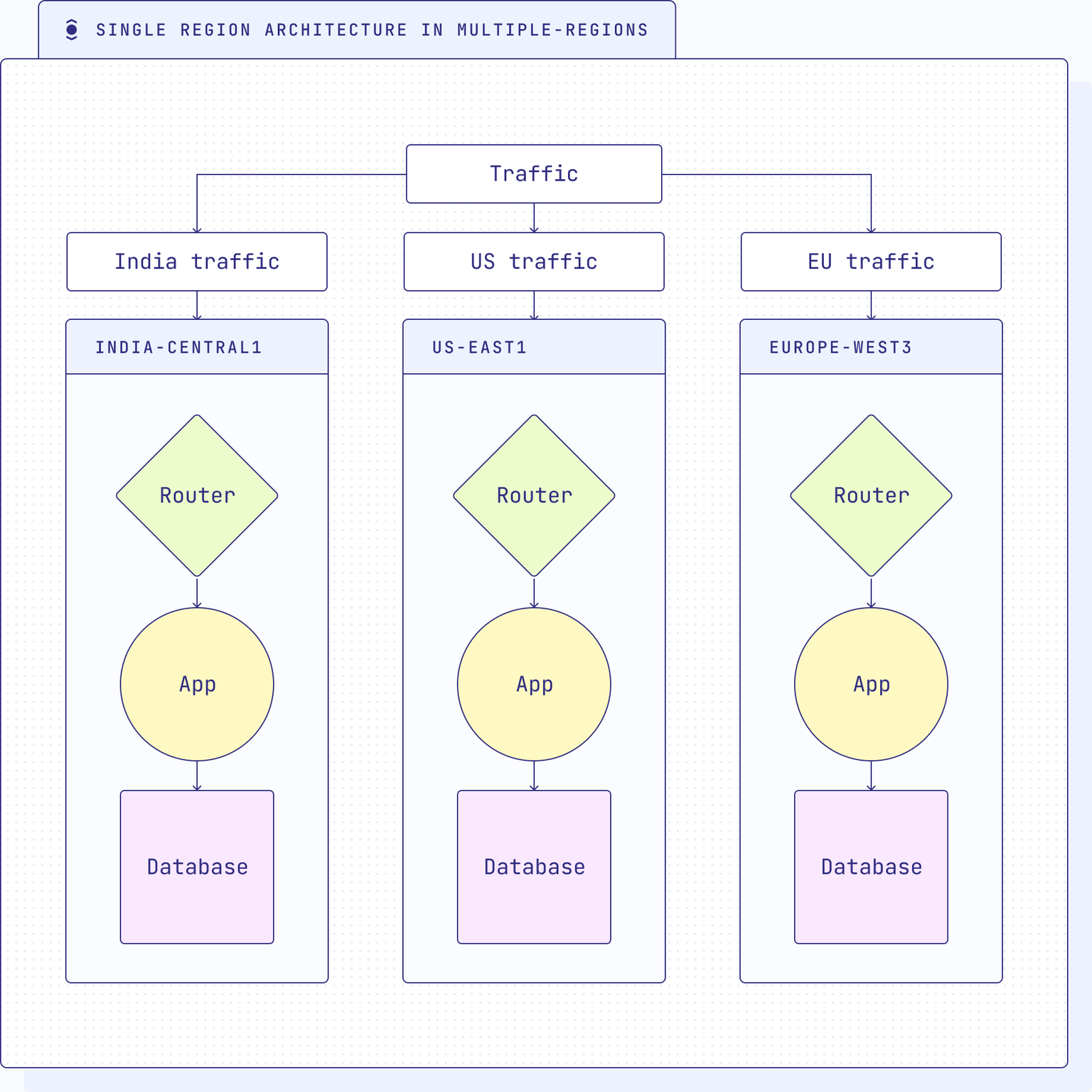
A single region architecture involves deploying a copy of the entire software
stack in each location. Deploying a single region architecture in multiple
regions to reduce latency and address compliance concerns might seem like an
attractive approach at first glance. However, it still shares many of the
drawbacks and limitations inherent in a traditional single region architecture.
- Data fragmentation and inconsistency: While deploying the architecture in
multiple regions may improve latency for users in those regions, it
introduces data fragmentation and inconsistency across regions. Each region
operates independently, resulting in potential disparities in data sets and
configurations. This can lead to challenges in data synchronization, data
consistency, and maintaining a unified view of data across regions.
- Increased management overhead: Adopting the same architecture in multiple
regions means maintaining multiple production deployments, each with its own
set of codebases (GitOps), configurations, and updates. This can lead to
increased complexity in software management, making it challenging to roll
out updates, bug fixes, and new features consistently across all regions.
- Data merge and movement complexity: Moving and merging data between
multiple regions in a replicated architecture can be complex and error-prone.
Transferring data between regions for load balancing or compliance purposes
requires careful planning and execution to avoid data inconsistencies or
potential data loss.
- Increased operational overhead: Running multiple instances of the same
architecture in various regions requires additional management overhead. Each
region needs separate monitoring, maintenance, and support, adding complexity
to the overall system management.
Multi-region architecture
A multi-region architecture is challenging to build and run, but can address the
limitations of the single-region architectures. Here, the data plane is
replicated and shared and available in all regions. Stateless services are
replicated the same regions as well. This approach has several advantages.
- Improved high availability: Multi-region architecture offers higher
availability by distributing application instances across multiple regions.
If one region goes down, traffic can be seamlessly routed to other
functioning regions, ensuring continuous service availability.
- Disaster recovery and business continuity: With multiple regions,
companies can implement robust disaster recovery plans. In case of a disaster
or outage in one region, they can failover to other regions, minimising
downtime and ensuring business continuity.
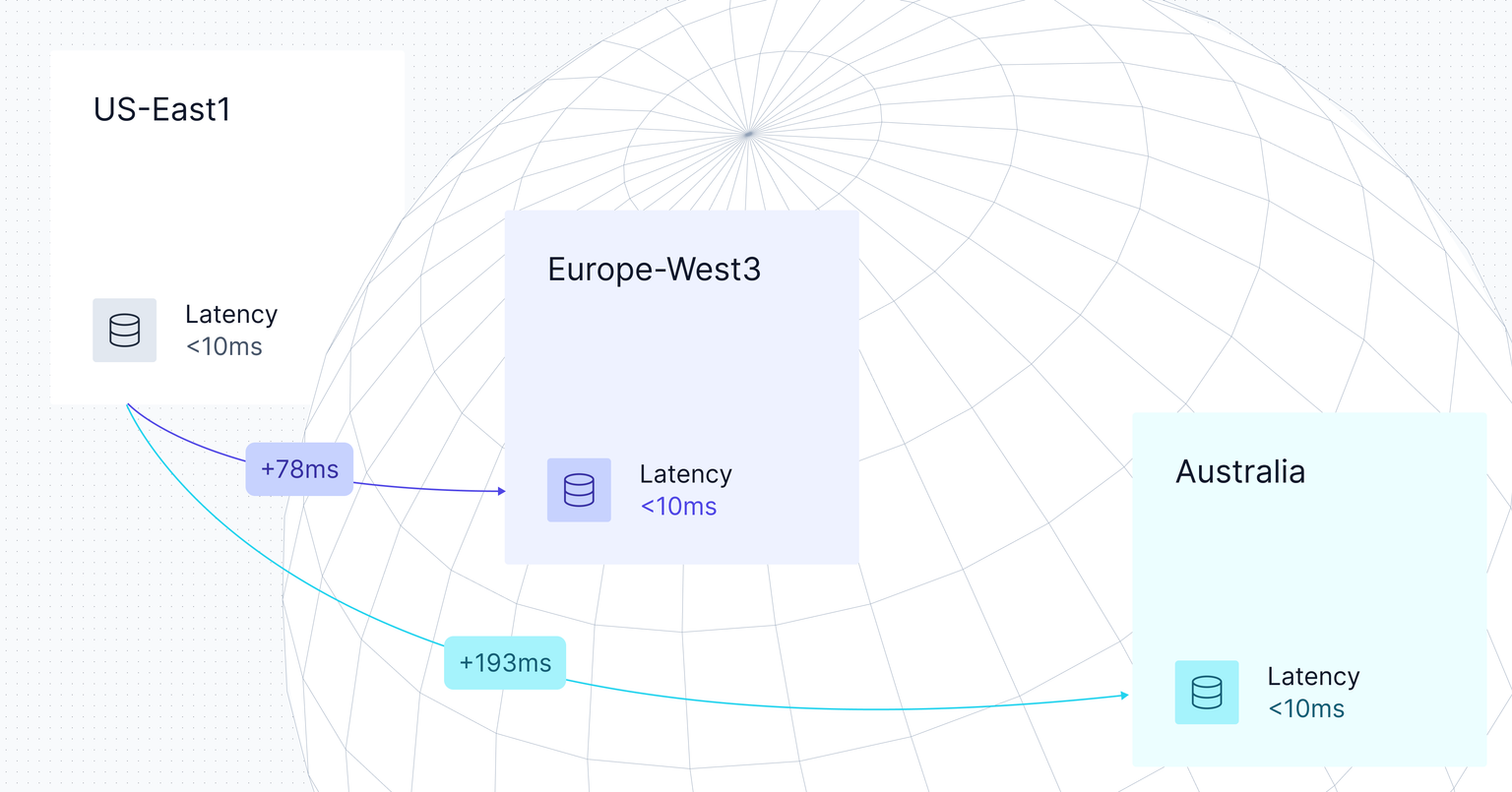
- Reduced latency: By hosting resources closer to end-users in different
regions, companies can reduce latency and provide better user experiences.
- Enhanced data redundancy and security: Replicating data across regions
ensures data redundancy, improving data resilience and mitigating the risk of
data loss. It also enhances data security, as sensitive data can be stored in
specific regions to comply with local regulations.
- Compliance and risk management: For companies with global operations,
hosting data in multiple regions helps them comply with data sovereignty
regulations and reduces risks associated with region-specific legal and
compliance issues.
Multi-region Identity and Access Management
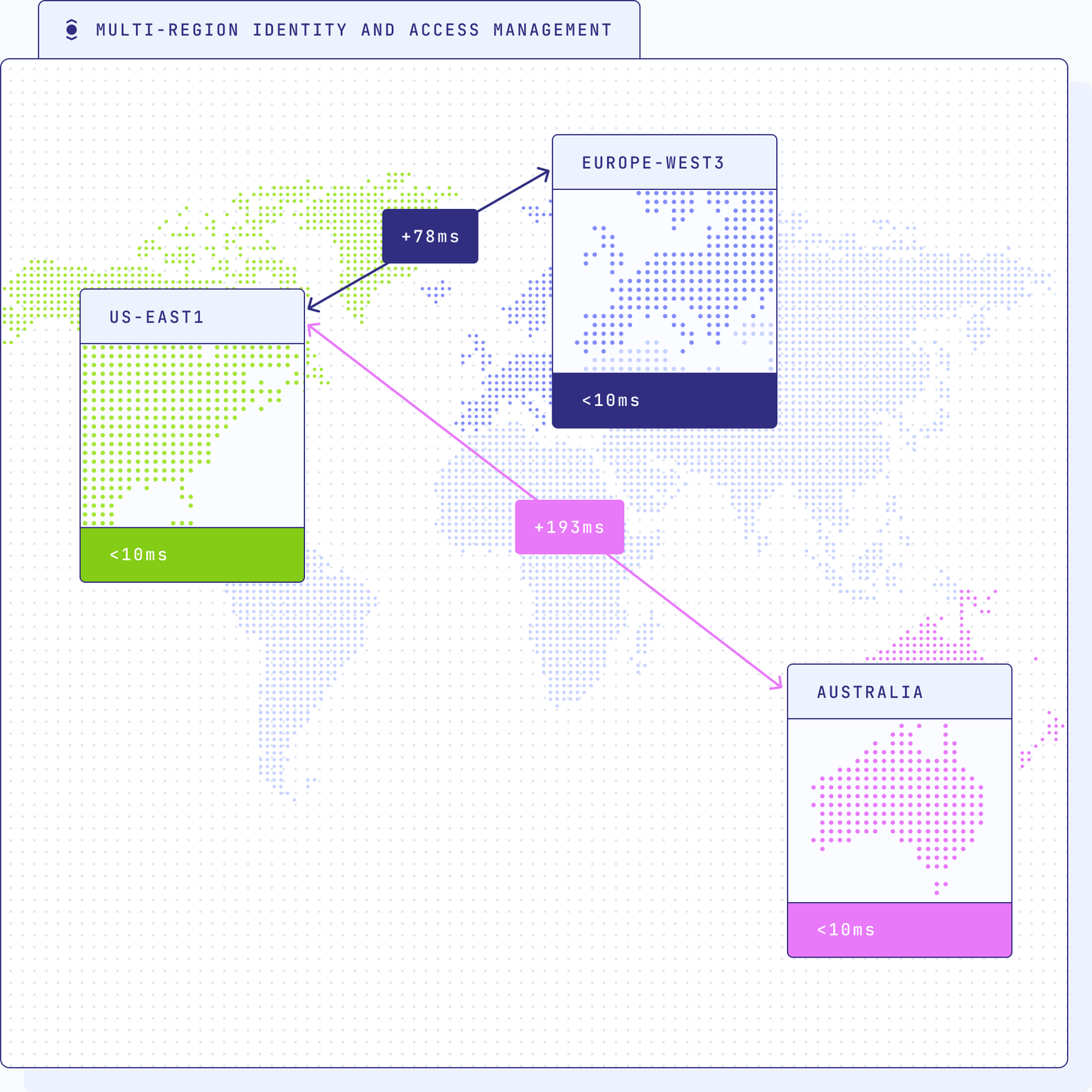
Ensuring robust identity and access management across multiple regions is a
critical aspect of an organization's infrastructure. Multi-region IAM addresses
several key challenges and requirements to provide a seamless and secure user
experience while adhering to data regulations and ensuring high availability.
Low-latency access: Since identity and access management are integral to
almost every user request made to a system, achieving low-latency response times
is vital. With IAM services distributed across multiple regions, users
experience reduced latency during identity verification and access
authorization, enhancing overall system responsiveness and user satisfaction.
Enhanced availability and reliability: Multi-region IAM provides increased
availability and reliability by offering redundancy across regions. In the event
of a single-region failure or outage, users can seamlessly access applications
and services from alternative regions, minimizing downtime and ensuring
continuous availability. This level of fault tolerance is particularly crucial
for critical services that need to be accessible at all times, irrespective of
localized failures.
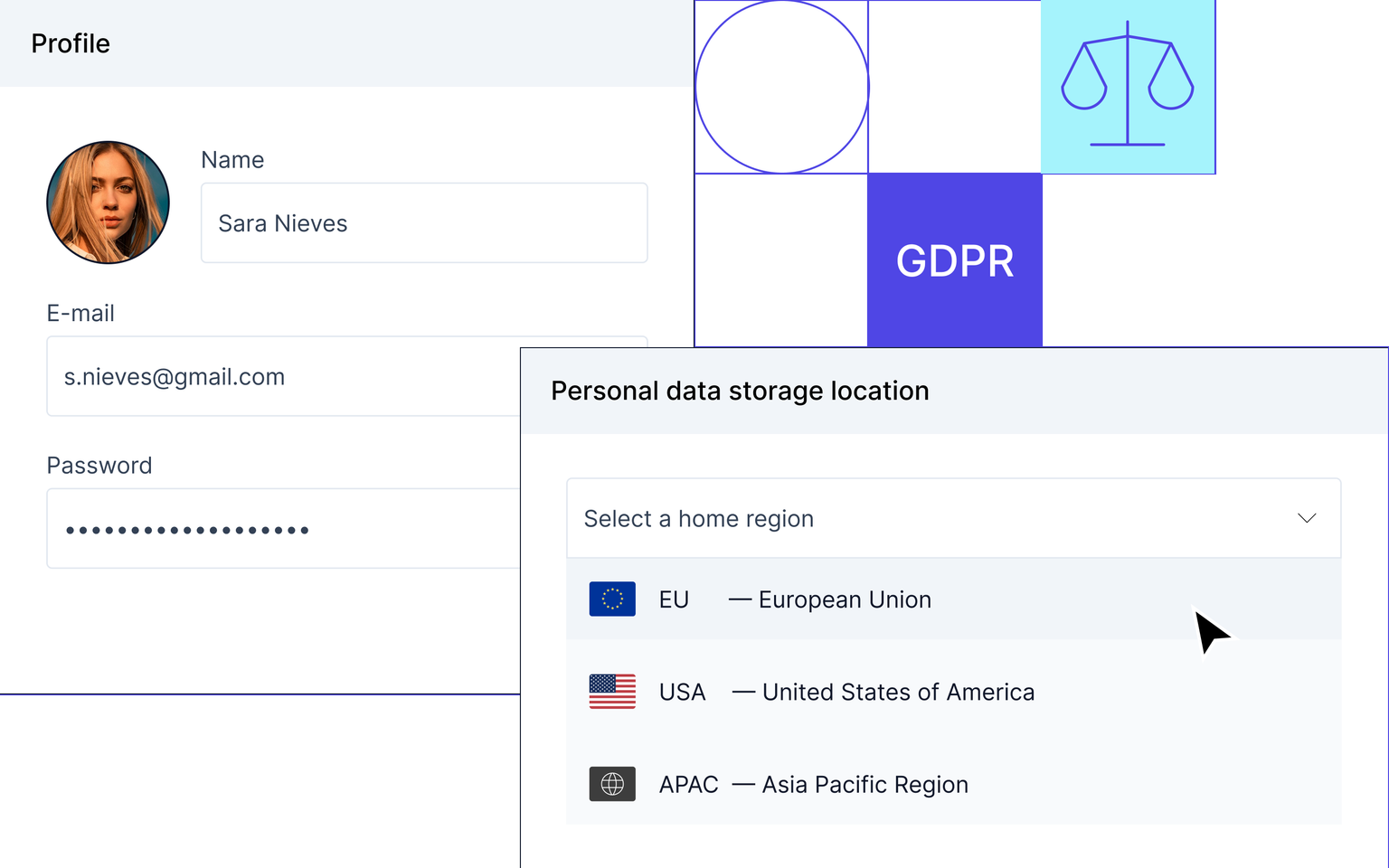
Compliance with data homing regulations: While having a unified IAM system
is crucial, replicating user data across all regions can conflict with data
homing regulations (GDPR, LGPD, PIPA, CCPA, …) that require storing data within
a user's country. To address this challenge, organizations must strike a balance
between centralizing IAM functions and adhering to regional data storage
requirements. Implementing data sharding by geography allows organizations to
scale their infrastructure based on regional demands while maintaining
compliance with data regulations.
Unified user identity across regions: One of the primary concerns in
multi-region architectures is maintaining a coherent and unified view of user
identities and their permissions across all regions. Regardless of the user's
home region, it is essential to have a centralized IAM system that can
efficiently handle identity verification and access control for each user. This
enables a consistent user experience, reduces complexity, and streamlines
administrative tasks related to user management.
Dynamic scalability: The geographic sharding of data and IAM services
enables organizations to scale their infrastructure dynamically based on
regional demand. For instance, during peak times like Black Friday in the US,
organizations can scale up the IAM infrastructure in that region to handle
increased user traffic. Simultaneously, regions with lower demand can remain
efficiently scaled, optimizing resource usage and cost efficiency.
Regulatory compliance and the need for data homing and encryption
The handling of personal data has become a complex legal challenge, with no
clear global consensus on how such data can be moved between countries. Despite
being close allies, even the European Union (EU) and the United States have
struggled to establish stable legal frameworks for cross-border data transfers:
- Safe Harbor Agreement: The Safe Harbor agreement, which aimed to
facilitate data transfers between the EU and the US, was invalidated after
the revelations of Edward Snowden regarding US government surveillance
practices. This decision highlighted the difficulties in ensuring data
privacy in international data transfers.
- EU-US Privacy Shield: Subsequently, the EU and the US attempted to
establish a successor to the Safe Harbor agreement through the Privacy Shield
framework. However, the Court of Justice of the EU declared the Privacy
Shield invalid due to concerns over US surveillance practices and the lack of
adequate protection for EU citizens' personal data.
- EU-US Data Privacy Framework (Privacy Shield II): Currently, efforts are
underway to establish a new EU-US data privacy framework. However,
uncertainties persist regarding its approval, and
the possibility of it facing legal challenges is very likely.
Given the evolving and diverse regulatory landscape worldwide, businesses face
significant uncertainties in handling personal data across borders. Data
homing can mitigate the risks associated with regulatory uncertainty and
changes.
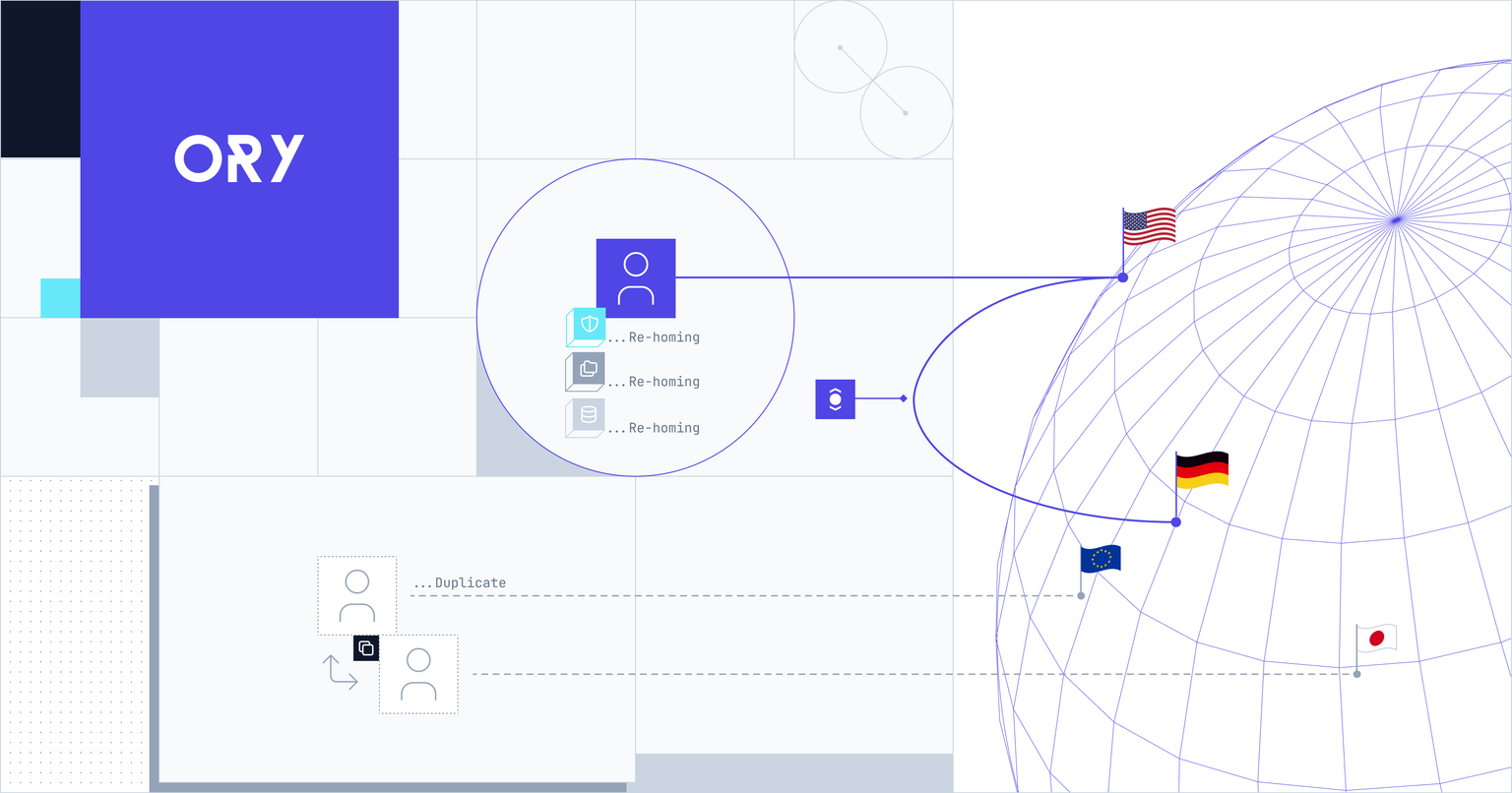
Data homing
 Data homing
involves storing personal data within the user's country of origin and complying
with data localization requirements that various countries may impose. This
strategy minimizes the risk of non-compliance with regional data protection laws
and ensures that sensitive data remains within the jurisdictional boundaries
where it is subject to specific legal protections.
Data homing
involves storing personal data within the user's country of origin and complying
with data localization requirements that various countries may impose. This
strategy minimizes the risk of non-compliance with regional data protection laws
and ensures that sensitive data remains within the jurisdictional boundaries
where it is subject to specific legal protections.
Encryption
While data homing provides a promising solution, it is not the only approach to
safeguarding data privacy. Encryption, particularly advancements like
homomorphic encryption, has gained attention as an alternative method. We
considered this method, but it had to be ruled out in its current state.
Homomorphic encryption
Homomorphic encryption allows computations on encrypted data without the need
for decryption, preserving data privacy throughout processing. This can be a
powerful technique for protecting sensitive data during cross-border transfers
and while stored in databases. Fully Homomorphic Encryption is not yet ready for
market though:
Today, conventional wisdom suggests that an additional performance
acceleration of at least another 1 million times would be required to make FHE
operate at commercially viable speeds.
Source
Column-Level Encryption in SQL databases
Implementing encryption at the column level in SQL databases offers another
layer of data protection. By encrypting specific columns containing sensitive
information, businesses can maintain data confidentiality while still supporting
necessary operations like unique constraints. Different approaches to
column-level encryption, such as deterministic and randomized encryption,
provide varying trade-offs between security and query performance. Popular
open-source databases (MariaDB, PostgreSQL, MySQL, CockroachDB) do not offer
advanced column-level encryption that can deal with constraints (foreign keys,
unique) and efficient range queries
(SELECT * FROM table WHERE encrypted_column > 'some_value').
We would have preferred column-level encryption for managing personal data, but
there is no good solution available for this yet.
An exciting journey ahead
As Ory Network embarks on the next phase of its evolution, the organization
remains steadfast in its commitment to delivering a resilient, compliant, and high-performance identity management platform. With a clear vision for the future and a robust road
map in place, Ory Network is poised to continue its mission of empowering
developers and users alike, while embracing technological advancements and best
practices in the ever-evolving realm of multi-region architecture.
Conclusion
You made it to the end, congratulations! I hope this article helped you
understand why multi-region architectures are an important requirement for
international operating businesses. If you like what you read,
please try out Ory Network! It's free to
play around, and we at Ory hope you enjoy the product as much as we enjoy
building it!